Residential Water Treatment Service
Affordable Residential Water Treatment
Residential water treatment is an essential aspect of maintaining a healthy and safe home environment. As water travels from its source to your home, it can pick up various contaminants, including chemicals, heavy metals, and microorganisms. These impurities can affect not only the taste and odor of your water but also pose potential health risks. Implementing a residential water treatment system ensures that the water you and your family consume is clean, safe, and free from harmful substances. By investing in water treatment solutions, homeowners can protect their health, improve the quality of their water supply, and enhance the longevity of their plumbing systems.
Benefits of Residential Water Treatment
-
Improved Water Quality
Residential water treatment significantly enhances the quality of your water by removing impurities and contaminants. This results in water that tastes better and is safer for drinking and cooking. Cleaner water also means better-tasting beverages and meals, as well as improved hygiene when bathing or washing clothes. -
Healthier Living Environment
By eliminating harmful substances such as chlorine, lead, and bacteria, water treatment systems contribute to a healthier living environment. This can reduce the risk of waterborne illnesses and improve overall well-being. Families with children, seniors, or individuals with compromised immune systems particularly benefit from this added layer of protection. -
Cost Savings
While there is an initial investment in a water treatment system, it can lead to long-term cost savings. Treated water reduces the likelihood of plumbing issues caused by mineral buildup and corrosion, leading to fewer repairs and replacements. Additionally, it minimizes the need for bottled water, which can be expensive and environmentally unfriendly. -
Environmental Benefits
Choosing a residential water treatment system contributes to environmental conservation by reducing the reliance on single-use plastic bottles. It also decreases the energy and resources used in the production and transportation of bottled water, promoting a more sustainable lifestyle.
FAQs About Residential Water Treatment
What types of water treatment systems are available for homes?
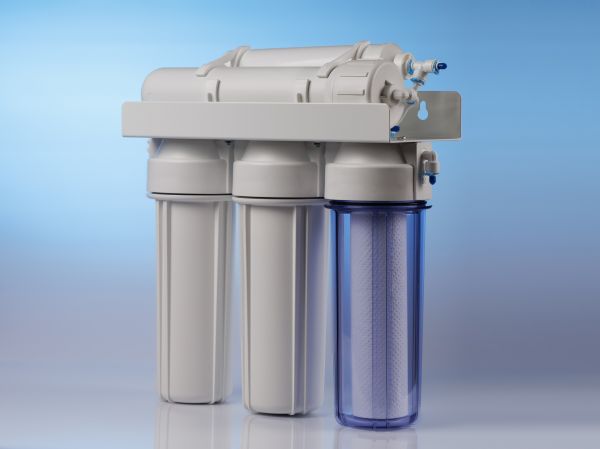
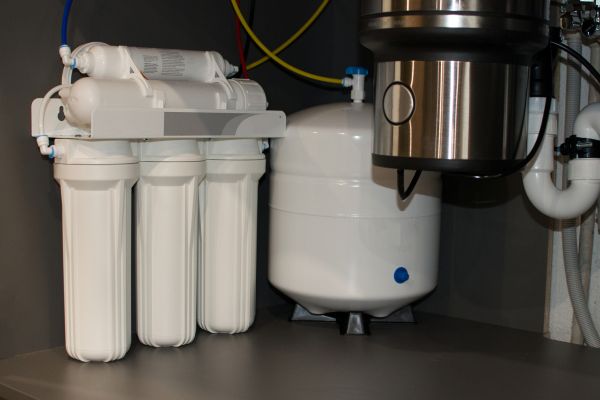
There are several types of water treatment systems, including whole-house filters, under-sink systems, reverse osmosis units, and water softeners. Each type addresses different contaminants and water quality issues, so it's important to choose one that meets your specific needs.
How often should a water treatment system be maintained?
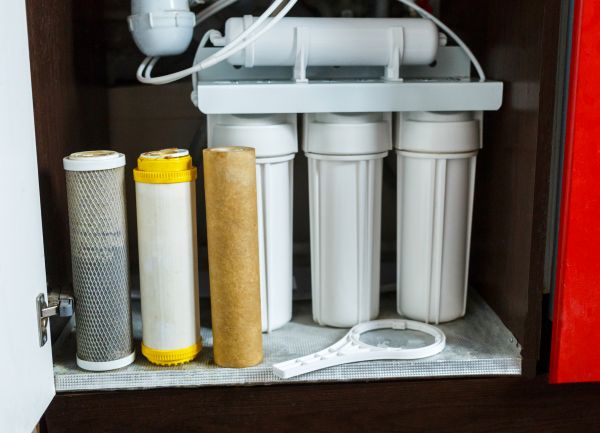
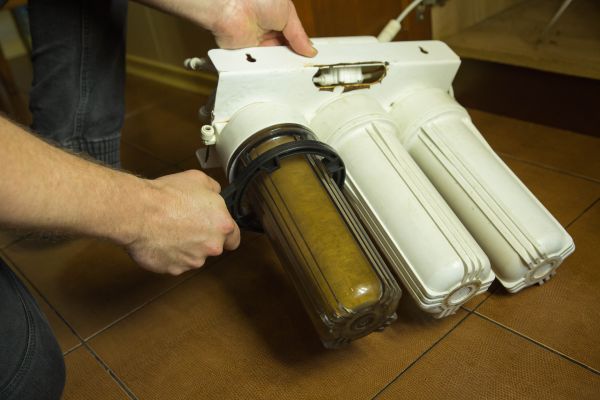
The maintenance frequency depends on the type of system and the manufacturer's recommendations. Generally, filters should be replaced every few months, while other systems might require annual servicing. Regular maintenance ensures optimal performance and longevity.
Can water treatment systems remove all contaminants?
No single system can remove all contaminants. However, many systems are designed to target specific impurities. It's crucial to test your water and choose a system that effectively addresses the contaminants present in your supply.
Is professional installation necessary for water treatment systems?
While some systems can be installed by homeowners, professional installation ensures that the system is set up correctly and efficiently. This can prevent issues down the line and guarantee that the system operates at its best.
Ready to enjoy the benefits of clean, safe water in your home? Fill out the contact form today to request Residential Water Treatment. Experience improved water quality, a healthier living environment, and long-term savings with professional Residential Water Treatment solutions.